If you are interested in any of my articles but are unable to access them, please contact me at jackson.r.ham@gmail.com
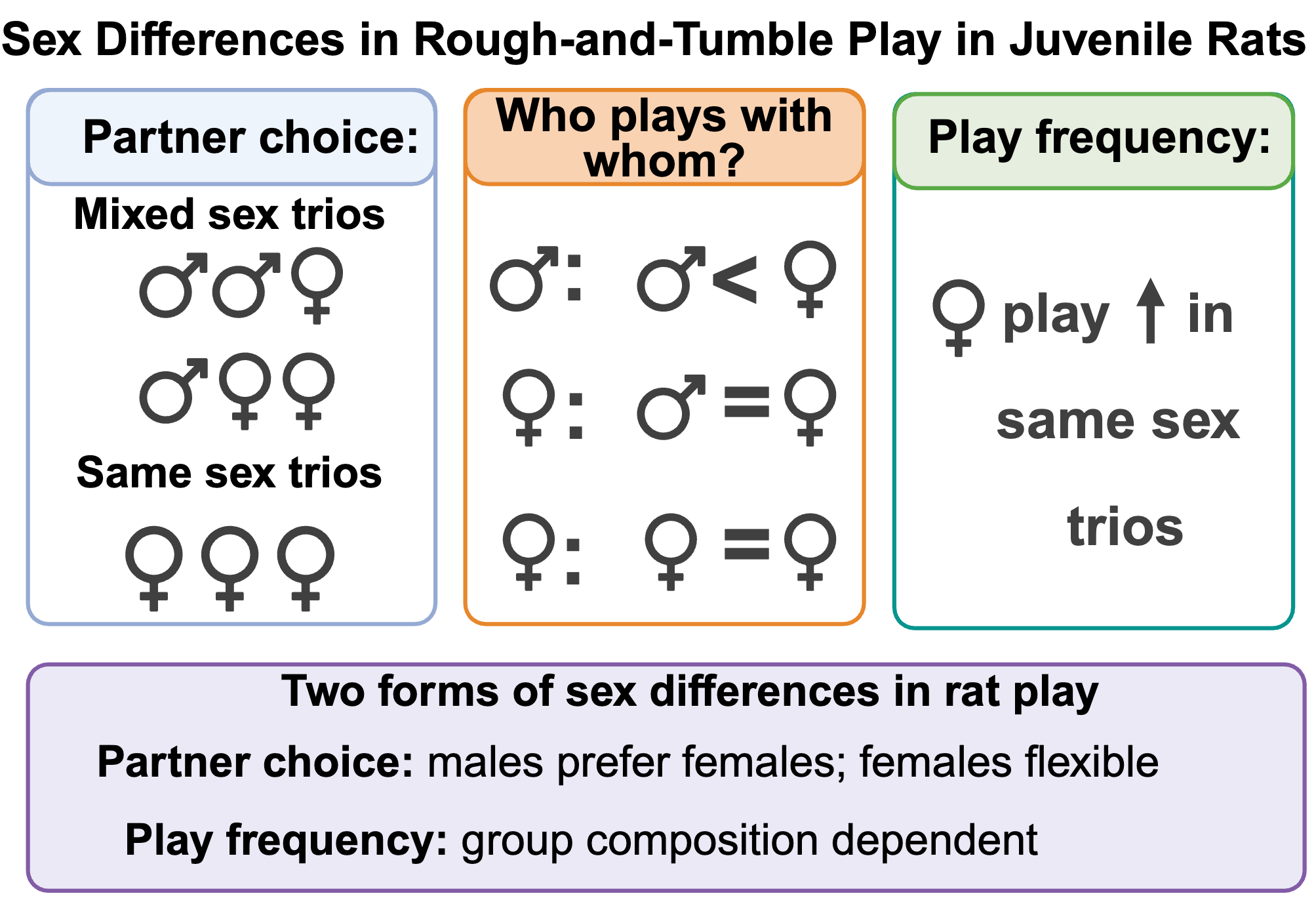
Partner choice and context-dependent sex differences in rat rough-and-tumble play
Ham, Pellis, and McDonald (2026) European Journal of Neuroscience
This study examined sex differences in rough-and-tumble play (RTP) in juvenile Wistar rats using group-based testing that allowed partner choice. Both males and females formed partner preferences, but only males showed a clear sex bias, directing more play toward females, while females displayed more individual-specific preferences. Sex differences in play frequency were context dependent: females initiated less play in mixed-sex groups but matched male levels in same-sex groups. Overall, the findings highlight that both partner choice and play behavior vary by sex and social context, emphasizing the importance of studying play in more naturalistic group settings.
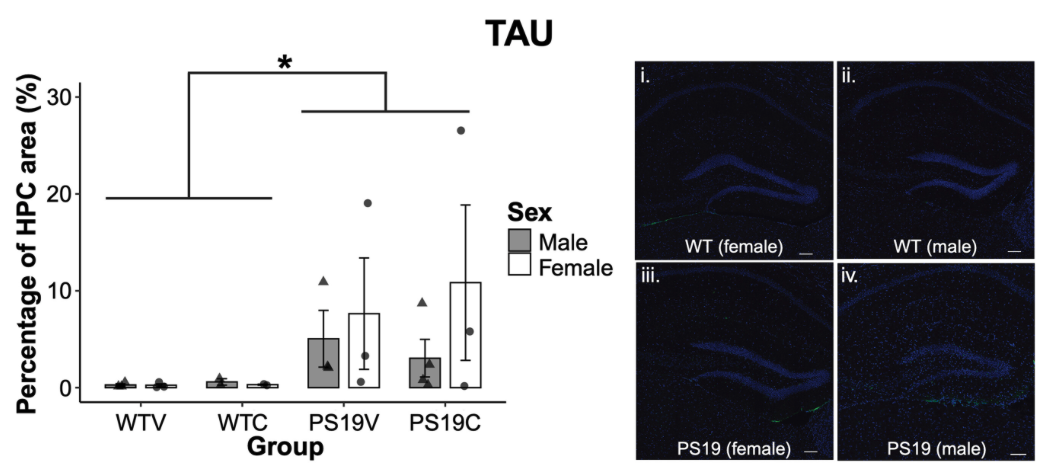
The effects of chronic cannabidiol administration on brain pathology and behavioural deficits found in the Tau P301S-line PS19 mouse model of Alzheimer’s disease
Nixon, Hong, Mirza Agha, Ham, Montieth, Robertson, Golubov, Kovalchuk, Iwaniuk, Sutherland, Mohajerani, and McDonald (2026) Journal of Alzheimer’s Disease
This study examined whether chronic cannabidiol (CBD) treatment could mitigate behavioral and pathological features of Alzheimer’s disease in Tau P301S mice. Mice received daily CBD from 3 to 9 months of age and were assessed on cognitive and motor tasks, followed by histological analyses. CBD did not improve behavioral deficits or hippocampal atrophy, but it did alter microglial reactivity, suggesting an effect on neuroinflammation. Overall, CBD appeared safe with minimal behavioral impact, while offering limited but potentially beneficial effects on disease-related pathology.
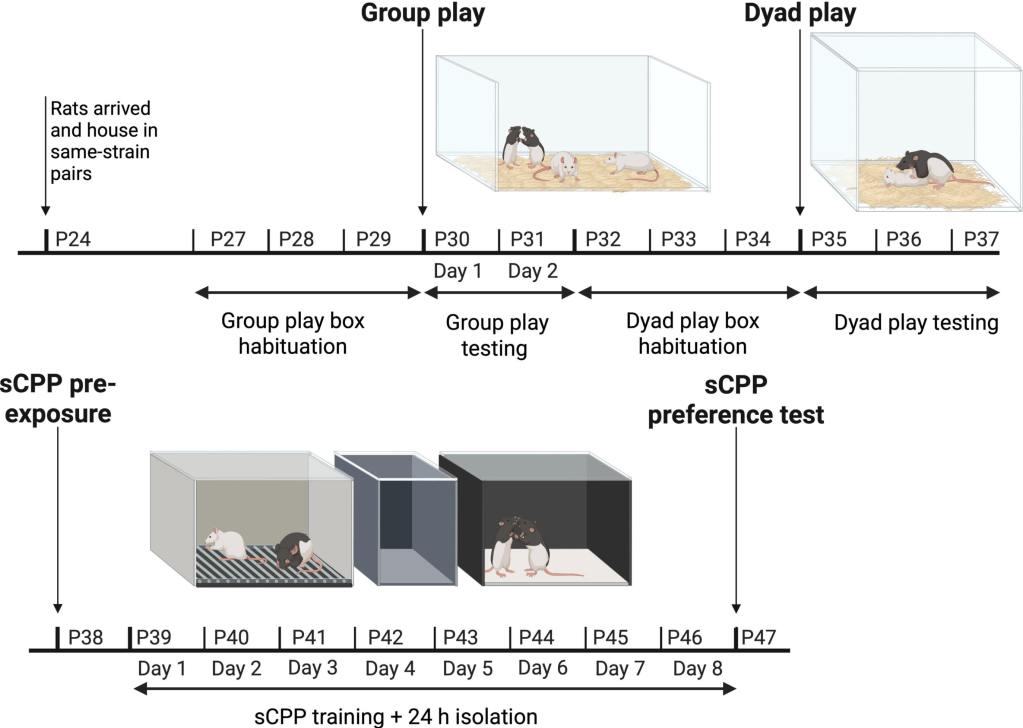
Juvenile male rats form preferences based on strain when playing in groups but not in pairs
Ham, Jaiswal, Waner-Mariquito, Pellis, & Achterberg (2025) Frontiers in Behavioral Neuroscience
This study examined whether juvenile rats choose play partners based on strain. Using group, dyadic, and social preference tests, the researchers found that Long Evans rats preferred to play with others of their own strain when given a choice in group settings, but played equally with all strains when paired one-on-one. These findings show that social context shapes partner preferences and underscore the importance of testing conditions when studying social behavior in rats.
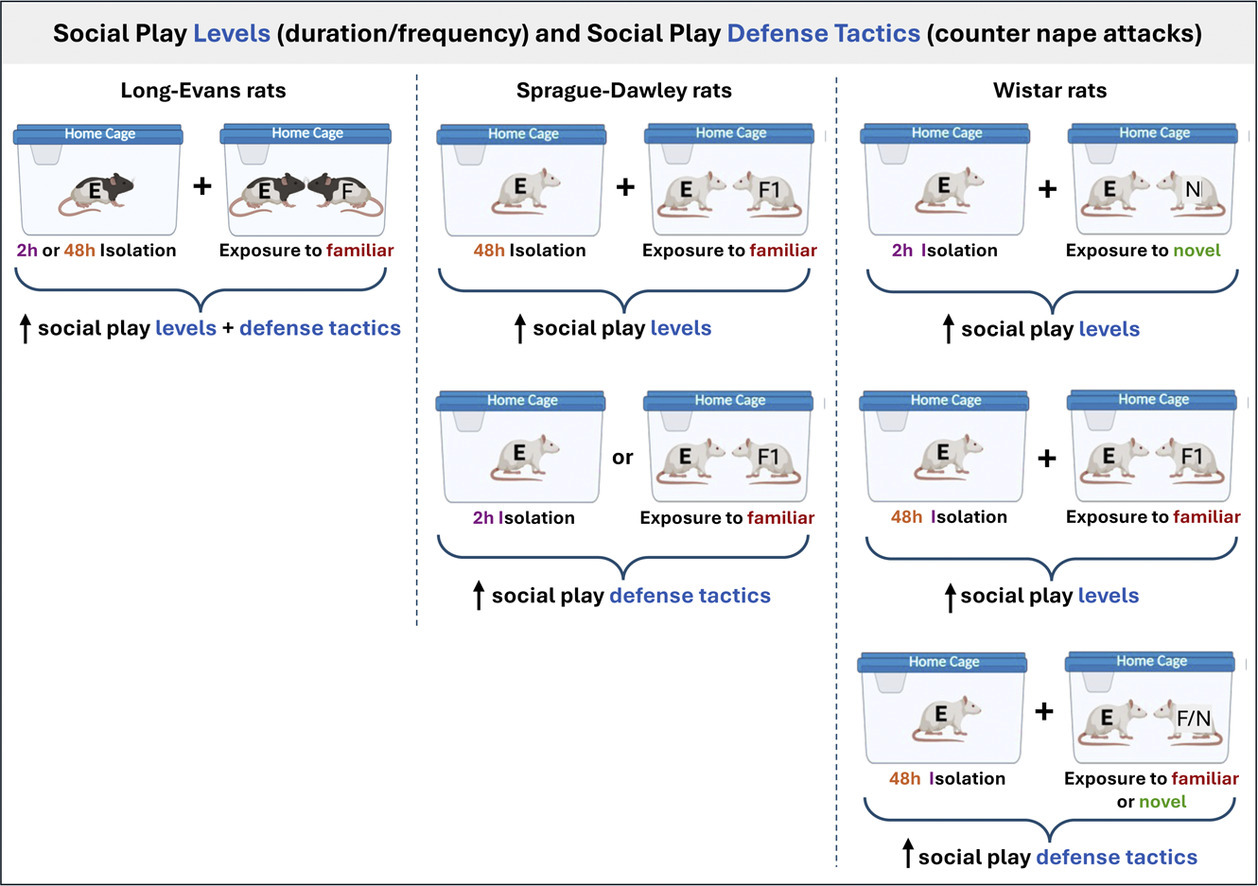
To play or not to play? Effects of social isolation length and stimulus rat familiarity on social play engagement in three laboratory strains
Orsucci, Becker, Ham, Lee, Bowden, & Veenema (2025) Physiology and Behavior
This study investigated how social isolation and partner familiarity affect play behavior across three rat strains: Long-Evans, Sprague-Dawley, and Wistar. The results showed that both the amount and quality of social play depended on strain-specific patterns—Long-Evans and Sprague-Dawley rats played more and showed greater reciprocity with familiar partners, while Wistars were more influenced by longer isolation and novelty. These findings highlight that strain differences and social context interact to shape the expression and quality of juvenile play.
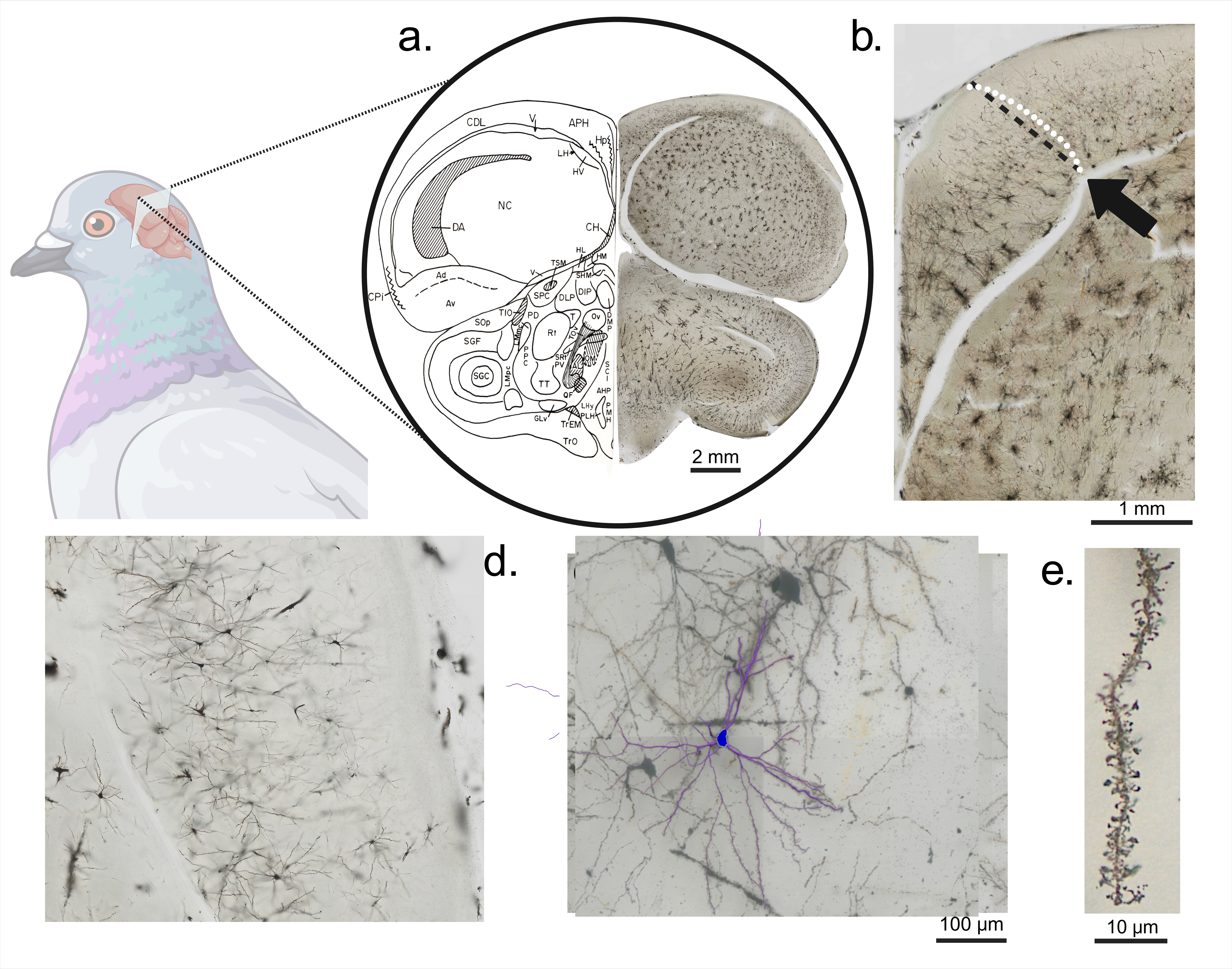
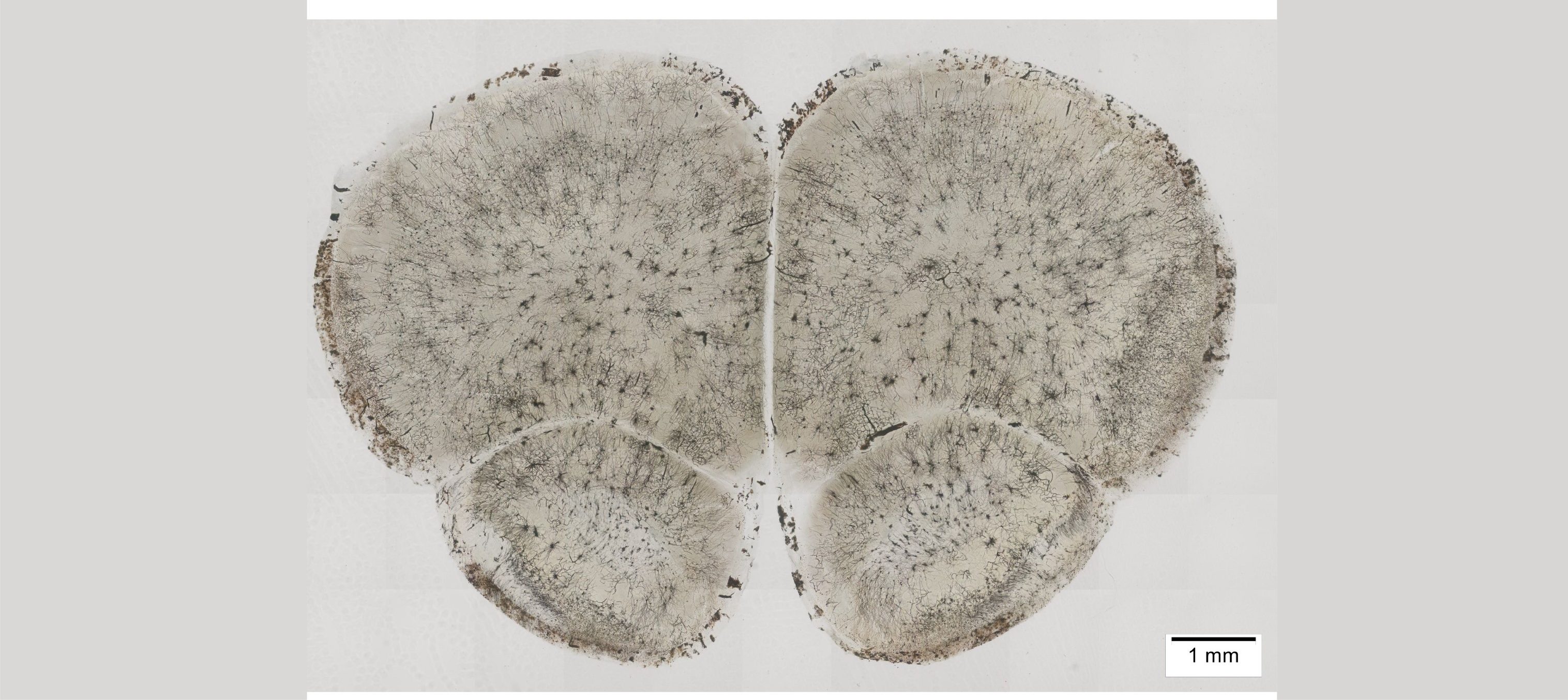
Homing and feral pigeons differ in hippocampal formation neuron size: A Golgi study
Brinkman, Irvine, Ham, & Iwaniuk (in press) Brain Structure and Function
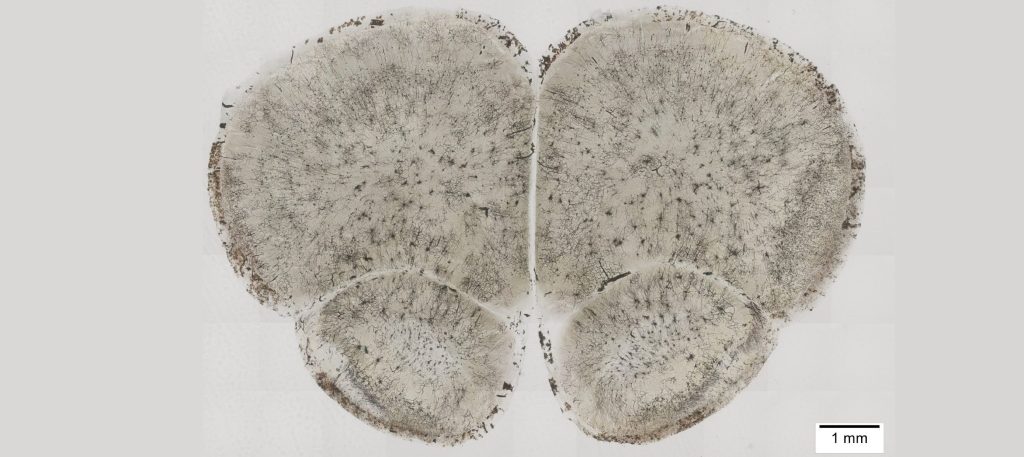
Play-fighting during early childhood and its role in preventing later chronic aggression
Pellis, Pellis, & Ham (2025) Encyclopedia on early childhood development
This paper argues that rough-and-tumble play (RTP) during development is crucial for healthy emotional regulation and social competence. Drawing on evidence from rats, primates, and children, the authors show that limiting RTP disrupts prefrontal cortex development and increases the risk of poor social control and aggression later in life.

Groups of familiar male rats form unstable partner preferences when play fighting during the juvenile period
Ham & Pellis (2025) iScience
Despite their natural ecology, most current studies of their play behavior involve pairs not groups. To investigate play under more naturalistic settings, we examined the play of eight groups of juvenile male rats, with each group comprising six, same-aged peers that lived together. On any given day, rats showed partner preferences for certain individuals in the group, however, preferences varied from day to day. Despite changes in partner preferences, rats chose to play with partners that engaged in more turn taking and with partners with whom they had more symmetrical play relationships.
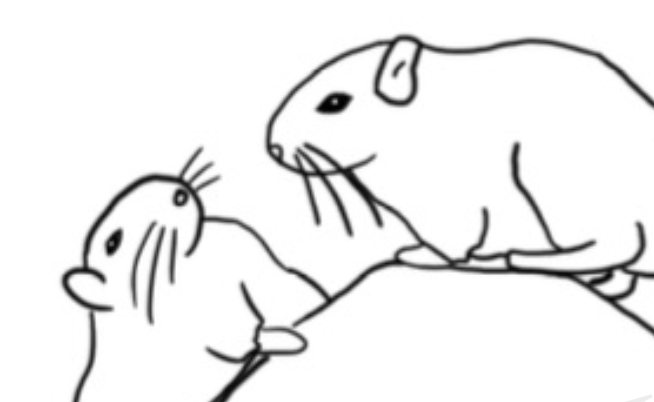
Play fighting revisited: its design features and how they shape our understanding of its mechanism and functions
Pellis, Pellis, & Ham (2024) Frontiers in Ethology
Given that a major pillar of ethology is that description precedes explanation, having a good grasp of the behavioral diversity of play fighting is an essential starting point for detailed analyses of the mechanisms and functions of play. We show that commonalities across species likely involve different mechanisms than do species idiosyncrasies, and that different styles of play fighting likely afford different adaptive opportunities.
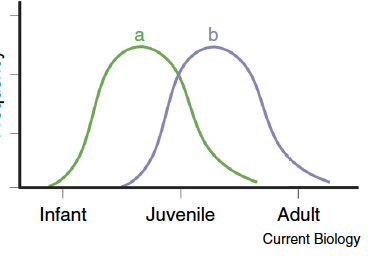
Play behavior: Why do adults play less than juveniles
Pellis & Ham (2024) Current Biology
Play behavior is typically most frequent in immature animals and then declines by adulthood. New research reveals a brain mechanism that may underlie this age-related decline in play.
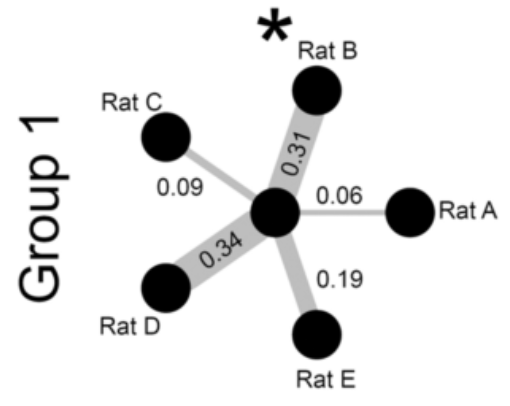
Play partner preferences among groups of unfamiliar juvenile male rats
Ham & Pellis (2024) Scientific Reports
Social networks revealed that five of the eight groups formed preferences, with preferred partners also engaging in more play with the focal rat.
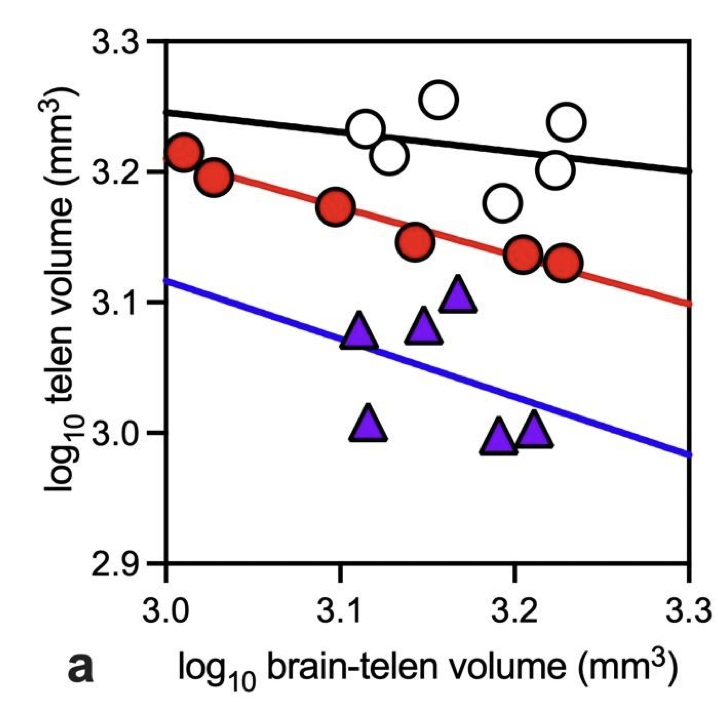
A comparison of telencephalon composition among chickens, junglefowl, and wild galliforms
Racicot, Ham, Augustine, Henriksen, Wright, & Iwaniuk (2024) Brain Behavior and Evolution
From this suite of comparisons, we conclude that chickens do not follow a pattern of widespread decreases in telencephalic region sizes that is often viewed as typical of domestication. Instead, chickens have undergone a mosaic of changes with some regions increasing and others decreasing in size, and there are few differences between chickens and junglefowl.
Quality not quantity: Deficient juvenile play experiences lead to altered medial prefrontal cortex neurons and sociocognitive skill deficits
Ham, Szabo, Annor-Bediako, Stark, Iwaniuk, & Pellis (2024) Developmental Psychobiology
As juveniles, F344 rats reared with LE rats experienced less play and lower quality play compared to those reared with another F344. As adults, the F344 rats reared with LE partners exhibited poorer social skills and the pyramidal neurons of their mPFC had larger dendritic arbors than F344 rats reared with same-strain peers.
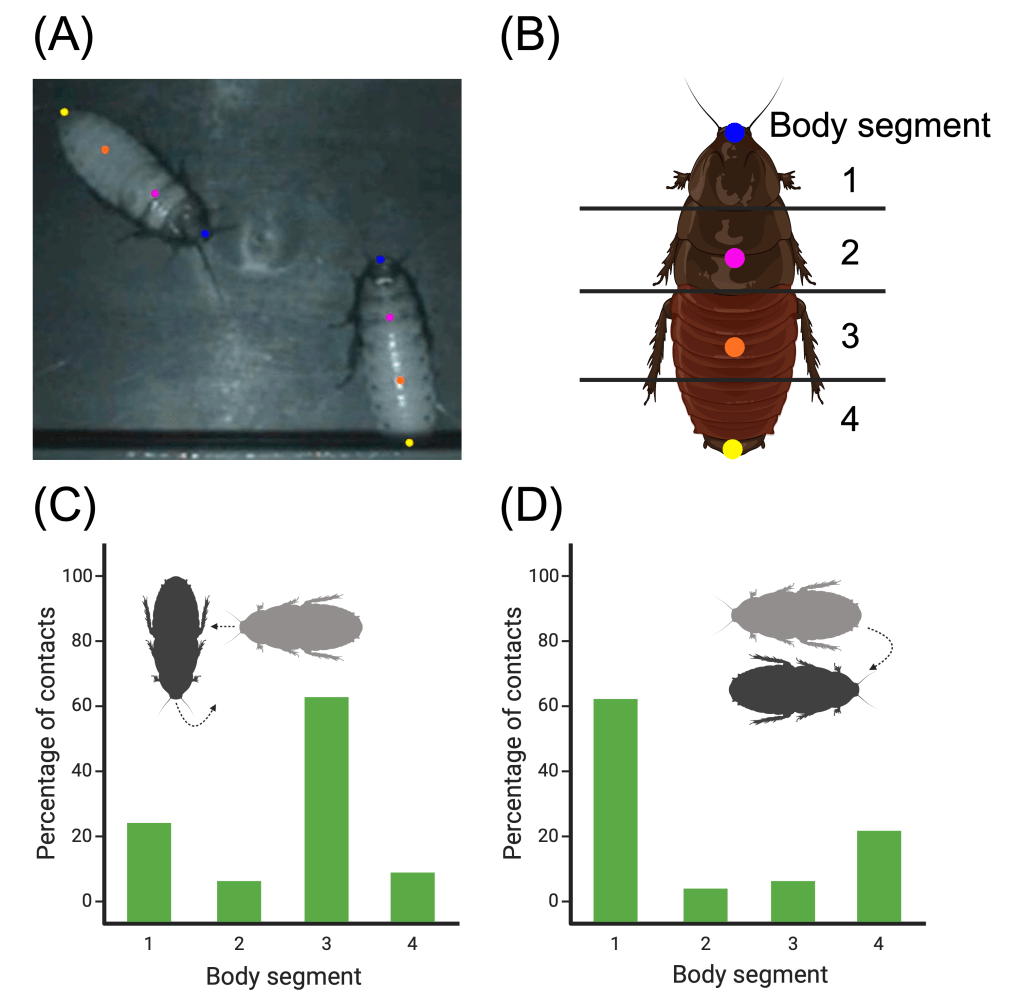
Oppositions, joints, and targets: The attractors that are the glue of social interactions
Ham, Pellis, & Pellis (2024) Frontiers in Behavioral Neuroscience
By focusing on the sequence of invariant relational configurations, the deep structure of interactions can be discerned. This deep structure can then be used to differentiate between compensatory movements, no matter how seemingly stereotyped they may appear, from movement patterns which are restricted to a particular form when more than one option is available. A dynamic perspective requires suitable tools for analysis, and such tools are highlighted as needed in describing particular interactions.

A review of beluga sexual behavior and reproductive physiology leading to conception
Manitzas Hill, Lilley, Ham, & Robeck (2024) Theriogenology Wild
This review summarizes the available literature on the knowledge of reproduction in white whales or belugas (Delphinapterus leucas). We discuss reproductive anatomy, physiology, endocrinology, and behavior prior to conception. Following a description of these basic reproductive parameters for each sex, the review describes the mating system of belugas as it is currently understood and summarizes the ontogeny of reproductive behavior and its relationship with hormones.

Playful mouth-to-mouth interactions of belugas in managed care
Ham et al. (2023) Zoo Biology
Although adults participated in mouth‐to‐mouth interactions, most were initiated and received by young belugas. Both males and females engaged in mouth‐to‐mouth interactions and did so at similar frequencies. Individual differences in how many mouth‐to‐mouth interactions were initiated among calves were also observed. Due to the unique, cooperative nature of mouth‐to‐mouth interactions, which require both social and motor skills, it is hypothesized that these interactions may be used to test social and motor competency.

Sexual behaviors of odontocetes in managed care
Manitzas Hill, Dudzinski, Lilley, & Ham (2023) Sex in Cetaceans (book)
A number of odontocete species have been cared for by humans for multiple decades, including but not limited to pilot whales, killer whales, Commerson’s dolphins, bottlenose dolphins (Indo-Pacific and common), and beluga whales (or white whales). Because many of these were breeding, numerous reproductive behaviors have been observed, documented, and investigated in detail.
Non-conceptive sexual behavior in cetaceans: comparison of form and function
Ham, Lilley, & Manitzas Hill (2023) Sex in Cetaceans (book)
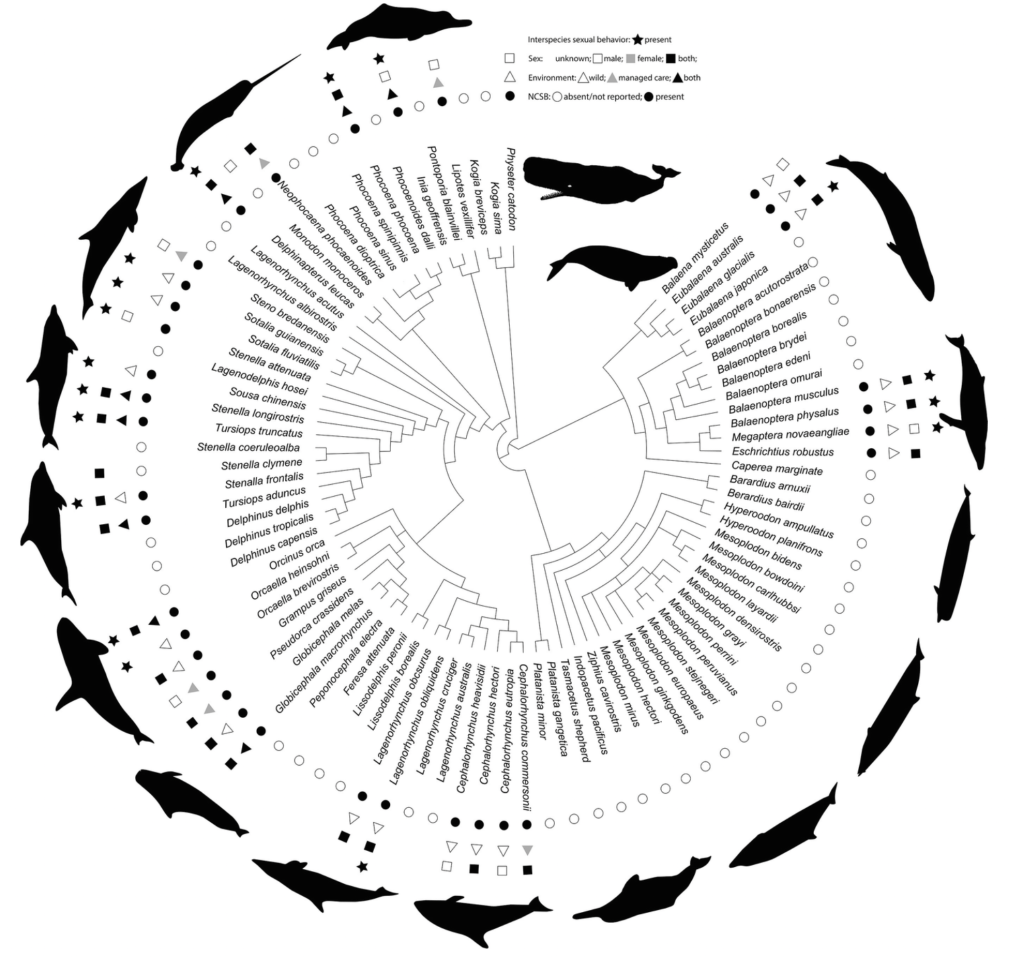
Non-conceptive sexual behavior (NCSB) is phylogenetically widespread, having been documented in 35 of the 87 extant cetacean species, but function and form of NCSB have not been studied in comparative manner.We hope this chapter sparks interest in comparative studies of NCSB and sheds light on the similarities of NCSB across species.
Play fighting and the development of the social brain: the rat’s tale
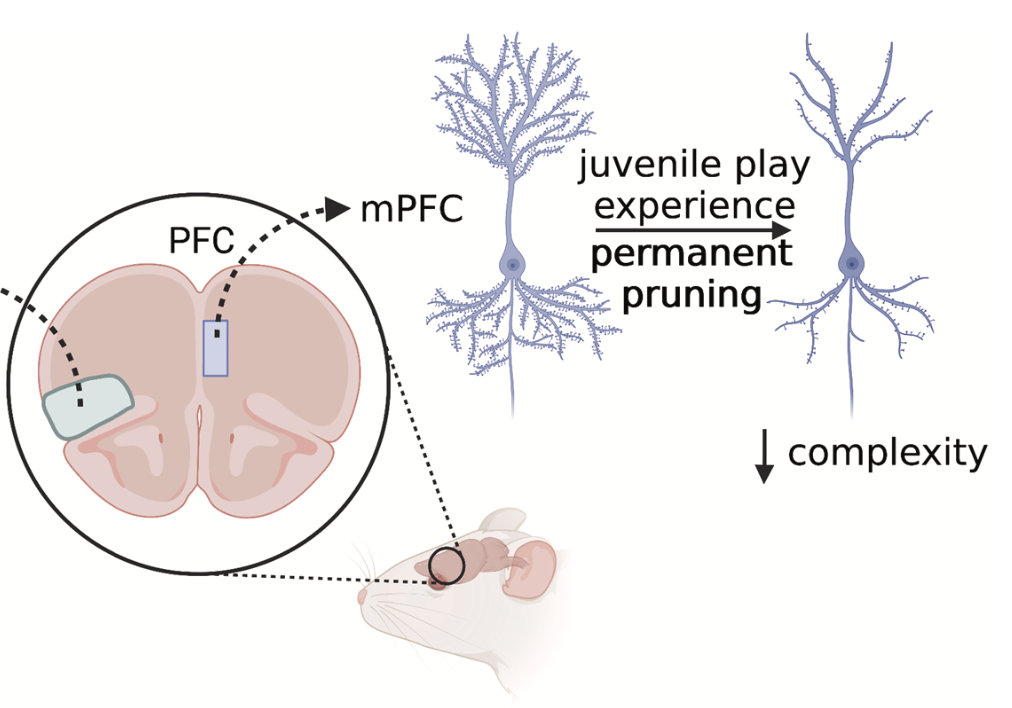
Pellis, Pellis, Ham, & Stark (2023) Neuroscience and Biobehavioral Reviews
There are still gaps in the rat model that need to be understood, but the model is well-enough developed to provide a framework for broader comparative studies of mammals from diverse lineages that engage in play fighting.
The Goldilocks principle: balancing familiarity and novelty in the selection of play partners in groups of juvenile male rats
Ham & Pellis (2023) Animal Behavior and Cognition
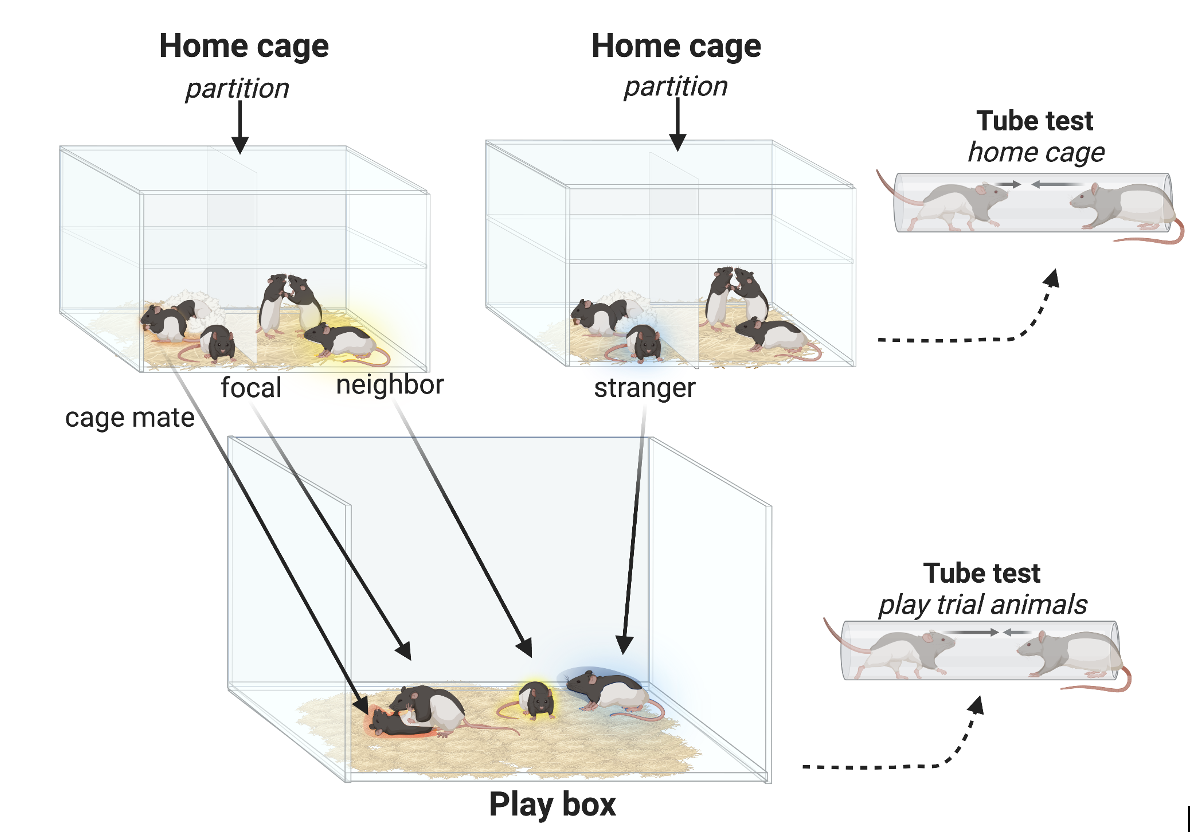
Focal rats expressed a preference for neighbors over both strangers and cage mates, indicating that balancing between familiarity and novelty influences social play partner preferences. Mechanisms by which this preference might have been established were investigated, but none were correlated with the preferences expressed. This group dynamics perspective provides a novel approach to studying play, and more generally, provides insights into social exploration and decision-making.
Social games that belugas play
Manitzas Hill, Ortiz, Kolodziej, & Ham (2023) International Journal of Play
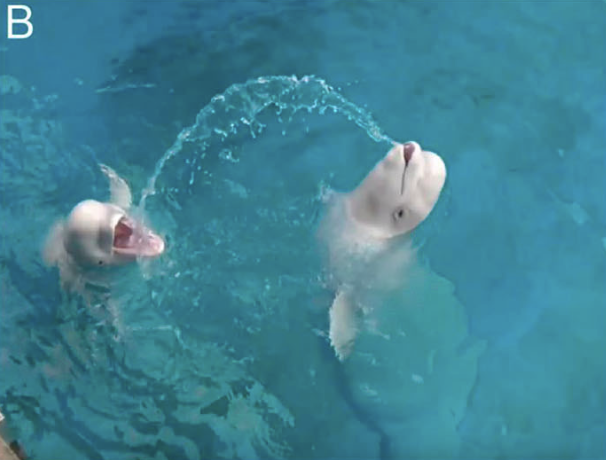
Social games encompassed repeated, role exchanges that involved a set of rules developed and shared between the interactants. The belugas engaged in seven different games: locomotor-based games with and without contact, triadic play involving inanimate objects and water, and socio-sexual play. Although most social games involved immature animals, some games did occur with adults.
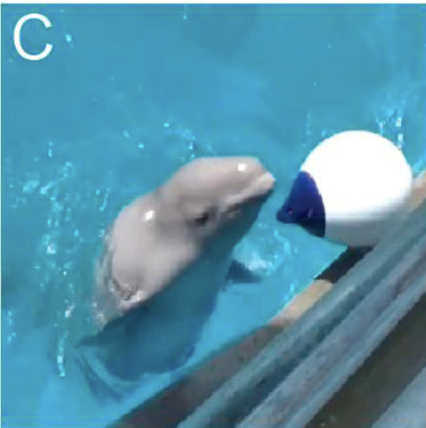
Self-handicapping in object play: how belugas make play difficult
Ham et al. (2023) International Journal of Play
The belugas of this study self-handicap themselves while playing with objects in 3.9% of cases. All nine of the immature belugas were observed to self-handicap, which accounted for 90.6% of the self-handicapping bouts observed. Even though rare, some degree of self-handicapping may be important in ensuring continued playfulness irrespective of the type of play involved. Broader comparative studies on the presence and role of self-handicapping across species and types of play are needed.
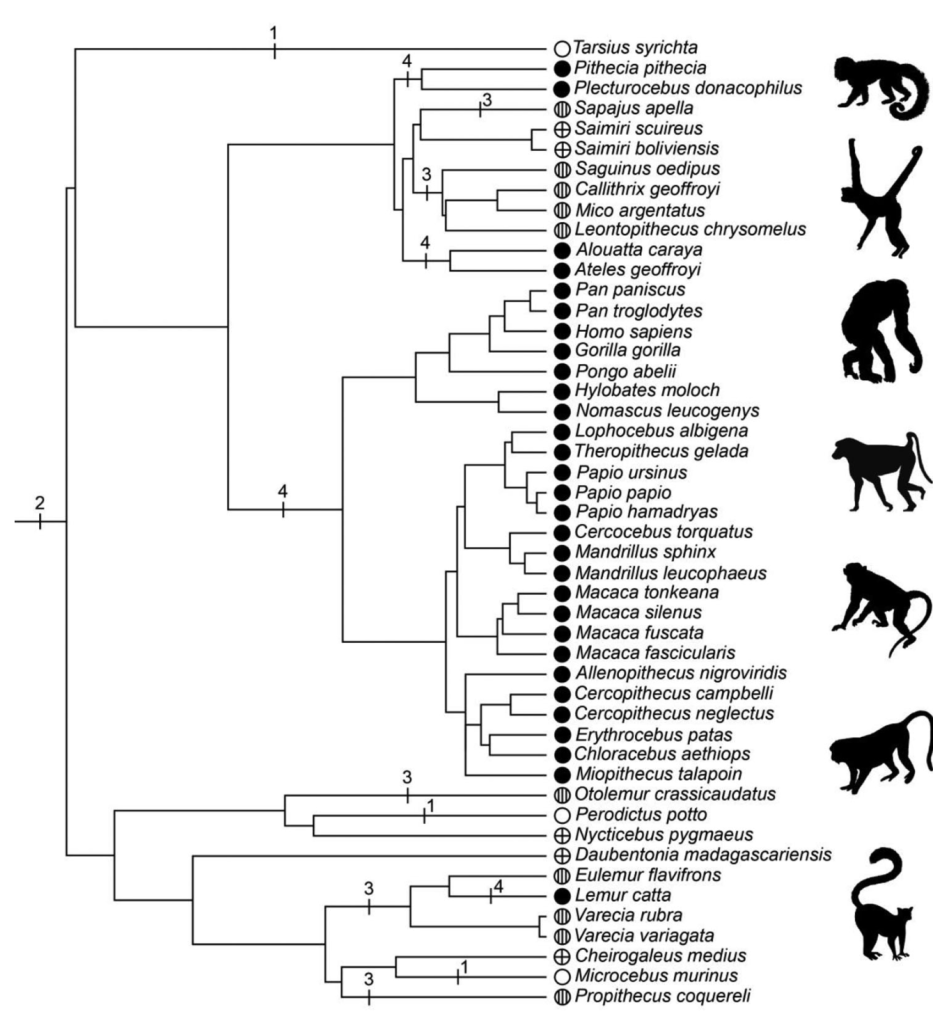
The evolution of aggressive and amicable play fighting in primates: a phylogenetic perspective
Pellis, Pellis, & Ham (2023) International Journal of Play
Both aggressive and amicable play fighting were likely equally present in ancestral primates, and then some lineages either maintained that pattern or exaggerated the use of one type relative to the other. In species engaging in both types of play, the ancestral pattern is for them to remain distinct, with sequences of one type not transforming into sequences of the other type. These findings suggest that different types of play evolved independently and their combination is a secondarily evolved, derived state.

Observations of mating practice by non-sexually mature male belugas
Hill, Ham, & Lilley (2022) Aquatic Mammals
This article reports observations of courtship-like behavior in sexually immature male beluga whales, providing insight into how mating behaviors develop. The authors describe instances in which young males directed incomplete, adult-like courtship displays toward mature females, suggesting these interactions function as “practice” for later reproductive behavior. These behaviors appeared to emerge gradually and were influenced by social context, including the presence of older males and potential partners. Overall, the findings support the idea that beluga mating behavior is not purely innate but is shaped by learning and social experience during development
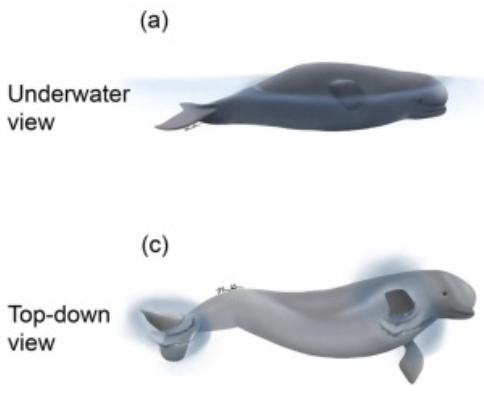
Observations of courtship in belugas
Lilley, Ham, & Hill (2022) Aquatic Mammals
This article describes observations of courtship behavior in adult beluga whales, highlighting the roles of both males and females in mating interactions. Courtship was primarily display-based, with males presenting their bodies and performing thrusting behaviors, while females actively chose whether to engage by approaching, aligning their bodies, and facilitating contact. Actual copulation appeared rare, suggesting that extended courtship interactions may be more common than successful mating events. Overall, the findings emphasize the importance of female choice and social dynamics in beluga mating systems, as well as the potential for social learning through observation by younger individuals
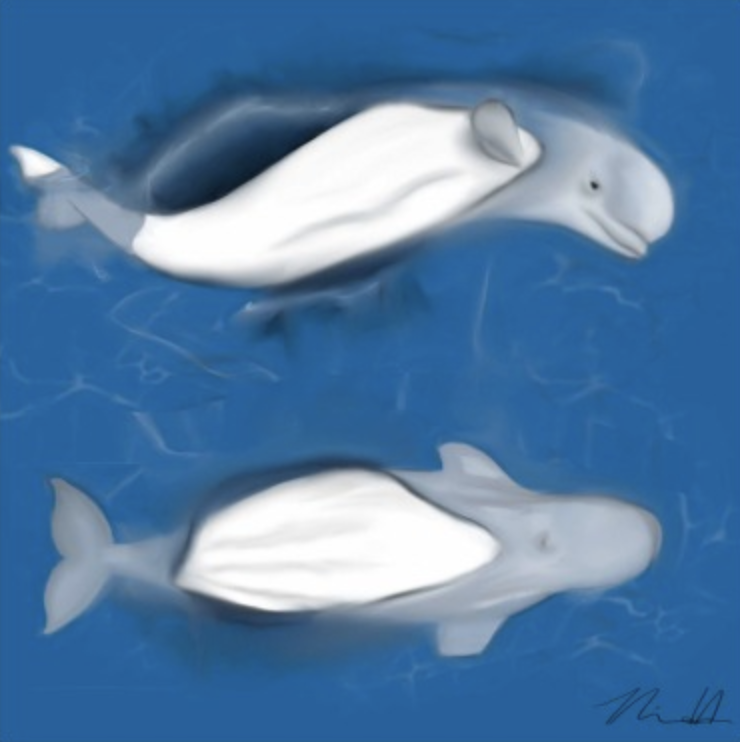
Investigation of lateralization of socio-sexual behavior in belugas
Lilley, Ham, Miller, Kolodziej, & Hill (2022) Behavioural Processes
This study suggests that belugas do not display consistent laterality of socio-sexual presentation behavior, which is in contrast to the laterality of mother-calf positions for belugas and the high levels of laterality that are reported for some behaviors of other cetacean species. Thus, it seems that beluga socio-sexual presentation behavior is flexible and may serve both motor skills practice and social functions, which likely involve both cerebral hemispheres as a cognitively engaging behavior.
The emergence and early development of socio-sexual behavior in beluga calves
Ham, Lilley, Lelekach, Miller, Robeck, Pellis, & Hill (2022) Behavioural Processes
The presence of an adult male significantly predicted if immature belugas would initiate and participate in socio-sexual behavior. However, partner preferences changed with age. In the first year of life, belugas engaged in sexual behavior with their mother most frequently but preferred to play with older males if given a choice. By the third year of life, belugas engaged in socio-sexual behavior most frequently with other immature animals. These findings enhance our understanding of how belugas develop sexually and socially and have implications for social housing practices of immature belugas.
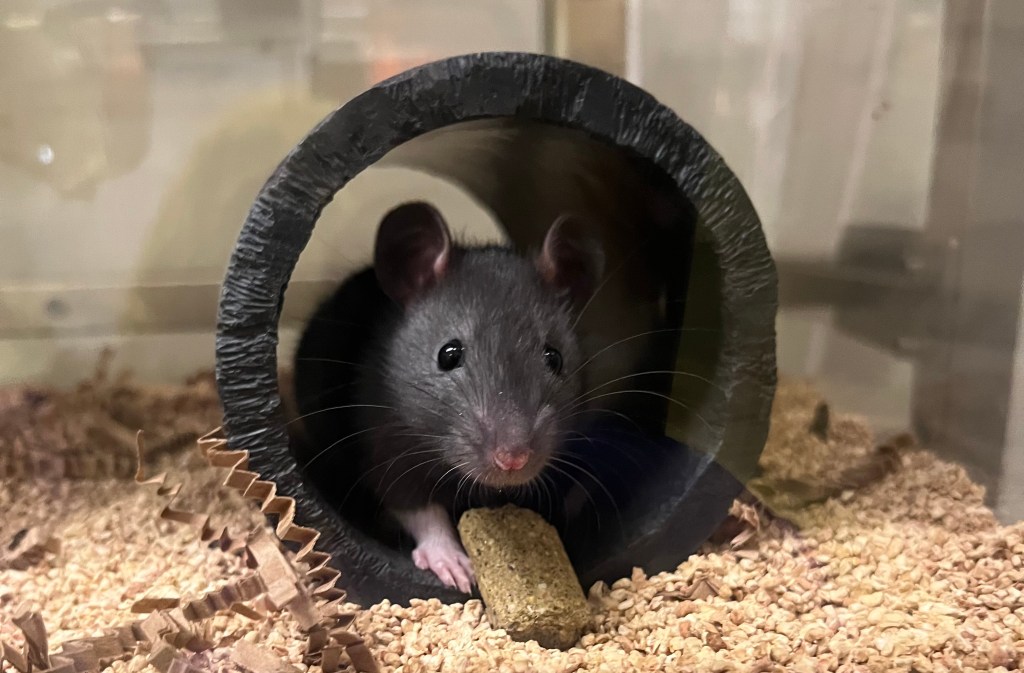
The rough-and-tumble play of rats as a natural behaviour suitable for studying the social brain
Pellis, Pellis, Ham, & Achterberg (2022) Frontiers in Behavioral Neuroscience
Studying RTP can be a valuable tool both for basic research on communication and other processes that are involved in regulating social behavior (Palagi et al., 2016b), and for translational research on neurodevelopmental disorders (Burke et al., 2017). Indeed, identifying that turn taking, as shown by the occurrence of role reversals, is a key feature of RTP that promotes the development of socio-cognitive skills (Pellis et al., 2019; Stark et al., 2021), has been important for engineering therapeutic play contexts that similarly promote the development of those skills in children (e.g., Diamond et al., 2007; Nijhoff et al., 2018).
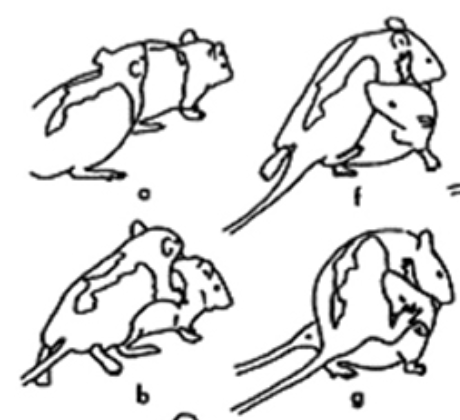
Measuring play fighting in rats: a multilayered approach
Pellis, Pellis, Burke, Stark, Ham, Euston, & Achterberg (2022) Current Protocols
Laboratory rats have been a model species for studying the neurobiology of play fighting and its key developmental and social functions. However, play fighting interactions are complex, involving competition and cooperation; therefore, no single measure to quantify this behavior is able to capture all its facets. Therefore, in this paper, we present a multilayered framework for scoring all the relevant facets of play that can be affected by experimental manipulations and the logic of how to match what is measured with the question being asked.
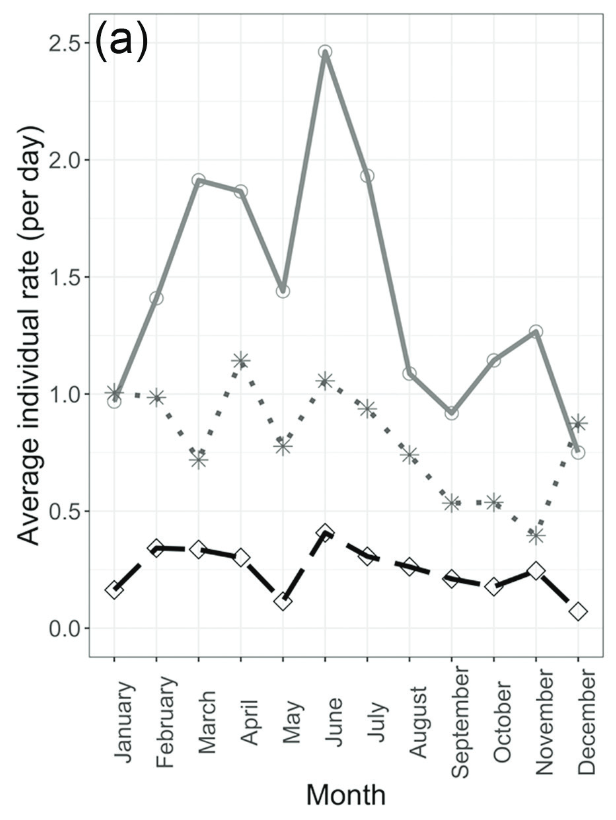
Seasonality of social behaviour among immature belugas in managed care
Ham, Lilley, Miller, & Hill (2021) Polar Research
Although belugas in managed care do not experience a seasonal change in habitat, they do show seasonal changes in social behaviour, which are likely driven by seasonal fluctuations in hormone levels. It is therefore expected that wild beluga populations would show similar behavioural patterns if they were observed throughout the remainder of the year.
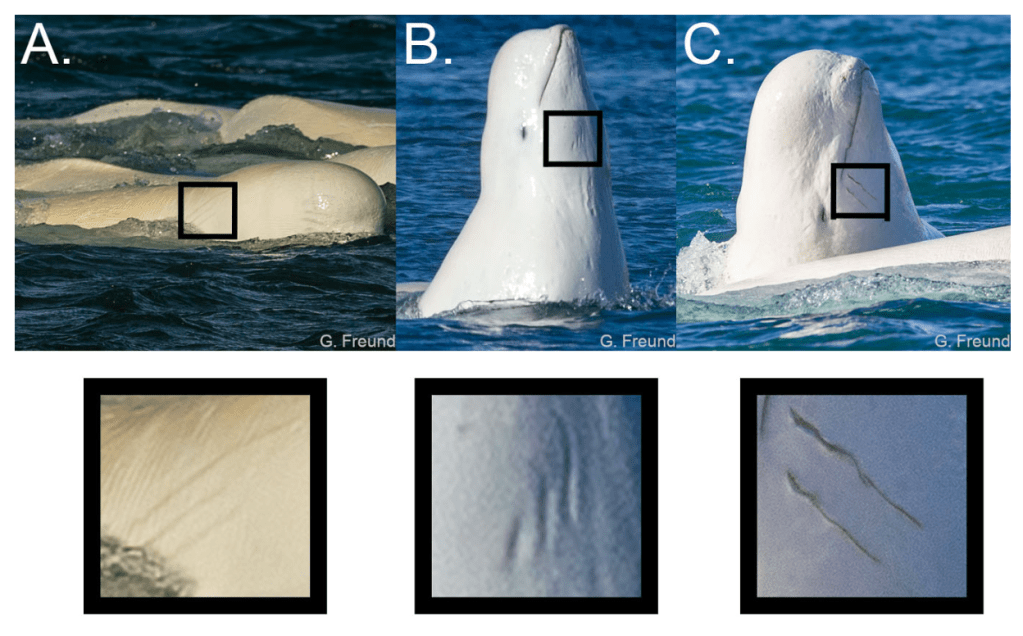
Conspecific scarring on wild belugas in Cunningham Inlet
Ham, Lilley, & Hill (2021) Behaviour
Beluga intra-specific aggression was assessed by scoring photographs taken from July to August in 2015 at Cunningham Inlet, Canada for the presence/absence and body location of rake marks. Of the 252 belugas analysed, 44% had rake marks. The results suggest that physical aggression occurs comparatively less with only half of the observed beluga population having rake marks compared to almost all bottlenose dolphins previously surveyed.
The development of socio-sexual behavior in belugas under human care
Lilley, Ham, & Hill (2020) Behavioural Processes
These findings have implications for conservation efforts as social group composition may contribute to the development of socio-sexual behavior, which in turn may influence the reproductive success of beluga populations. Furthermore, because socio-sexual behavior composes a substantial portion of a beluga’s activity budget and the majority of the time spent socializing, it is likely crucial for social bonding and well-being in belugas, especially males.
 Jackson R. Ham